


Hidden microbial metabolism in an oxygen-rich ocean layer
A new study published in Limnology and Oceanography reveals unexpected microbial processes beneath the sunlit ocean surface. Satheeswaran Thangaraj and colleagues investigated the deep chlorophyll maximum (DCM), a lower-light layer where microscopic marine life is concentrated, and found that its microbial communities possess very different metabolic capabilities from those at the surface, despite relatively modest changes in the types of microbes present. Microbes at depth also favoured more energy-efficient strategies for carbon fixation, potentially helping them cope with limited light.
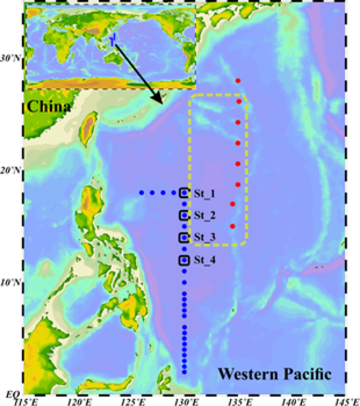
Most surprisingly, although the DCM was well oxygenated, it contained genes involved in nitrogen and sulphur cycling, alongside methane-related metabolism—including anaerobic processes conventionally associated with oxygen-poor ocean environments. One possible explanation is that sinking organic particles create tiny low-oxygen microenvironments where different microbial processes can coexist within otherwise oxygen-rich waters.
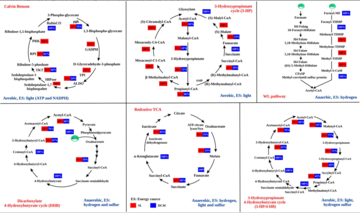
Similar patterns were observed across major ocean basins, suggesting that the DCM may be a widespread but underappreciated hotspot of ocean biogeochemical activity. As climate warming strengthens ocean stratification, understanding this hidden layer may become increasingly important for predicting how the ocean cycles carbon and nutrients.
Read the full article, Depth-dependent metabolic stratification identifies the oxic deep chlorophyll maximum as a global biogeochemical hotspot, in Limnology and Oceanography here: https://doi.org/10.1002/lno.70501.

