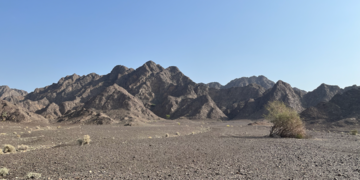
Hydrogen produced by natural and engineered geological processes is of great interest as a future low-cost, low-carbon energy supply. Near-surface bodies of ultramafic rock with abundant olivine and pyroxene are attractive targets for stimulating the production of geological hydrogen through the injection of fluids into fracture networks. However, the rates of hydrogen production and total yields of hydrogen that can be produced will be strongly modulated by the amount of reactive surface area that can be accessed through time, the fluid circulation regime, and the fluid compositions, as well as the temperature of reaction and the rates of in-situ microbial activity. Technical assessments that integrate all of these controls on possible hydrogen production rates at field-scale has not yet been conducted. In this talk, we will explore a synthesis of laboratory and field-based geochemical, hydrological and microbiological information that shaped the design and implementation of an ongoing Pilot project in the Samail Ophiolite in Oman. We will also discuss some of the emerging technical barriers to stimulated geological hydrogen production, and engineering solutions in development.
Venue
Seminar rooms
If you are external to the Department of Earth Sciences and wish to receive information about departmental seminars please join our mailing list by sending a message to: earth_sciences_seminar-request@maillist.ox.ac.uk